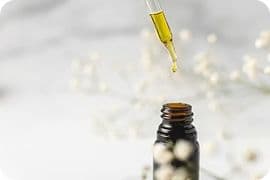
Essential oils and their benefits
Introduction
Essential oils are highly concentrated plant extracts that have been valued for thousands of years for their therapeutic and aromatic properties. They are volatile compounds isolated from the roots, bark, leaves, flowers, seeds or fruits of plants, carrying both the distinctive scent and many of the beneficial qualities of the source plant.
"Plants are made of structural materials and phytochemicals. These chemicals have properties that not only benefit the plant but benefit people, too," explains Dr. Lin.
How essential oils are made
Producing essential oils requires an enormous amount of plant material, which is why some of them are remarkably precious and expensive. The most common extraction methods are steam distillation, cold pressing (for citrus peels), as well as solvent or CO2 extraction.
For example:
- About 250 pounds of lavender flowers are needed to make just 1 pound of lavender essential oil.
- As much as 5,000 pounds of rose petals or lemon balm leaves yield only 1 pound of rose or lemon balm essential oil.
- Up to 3 kg of fresh melissa plant is needed for a single 15 ml bottle of melissa oil.
"Because it takes so much of the plant to make an essential oil, it's a powerful botanical medicine," Dr. Lin says.
Aromatherapy – the science of scent
Aromatherapy is the use of essential oils to support health and overall well-being. It is a form of complementary medicine that works through the sense of smell and the skin, drawing on the close connection between scent and the limbic system in the brain — the area responsible for emotions, memory and hormonal balance.
Essential oils can be used in several ways:
- Inhalation — through diffusers, steam inhalations or directly from the bottle.
- Topical application — diluted in a carrier oil (almond, jojoba, coconut) and massaged into the skin.
- Baths — a few drops added to warm water together with a dispersant such as salt or milk.
Proven benefits of essential oils
Studies have shown that essential oils may help in many areas:
- Boost mood and ease mild symptoms of low mood
- Improve job performance through reduced stress and increased attentiveness
- Promote deeper, more restful sleep
- Provide antibacterial, antifungal and antiviral support
- Reduce anxiety and pain
- Soothe inflammation in the body
- Ease nausea and digestive discomfort
- Relieve headaches and migraines
Popular essential oils and their uses
- Lavender — calming, relaxing and helpful for sleep difficulties.
- Peppermint — refreshing, eases headaches and supports focus.
- Eucalyptus — opens the airways and supports recovery from colds.
- Tea tree — a powerful natural antiseptic.
- Lemon — uplifts the mood and freshens the home.
- Frankincense — traditionally used for meditation and calming the mind.
Safety and precautions
Although natural, essential oils are highly concentrated and require care:
- Always dilute essential oils in a carrier oil before applying them to the skin.
- Do a patch test on a small area of skin before first use.
- Pregnant or breastfeeding women and children should consult a healthcare professional first.
- Avoid contact with eyes and mucous membranes.
- Some oils are phototoxic (such as bergamot and lemon) — avoid direct sunlight after use.
- Never ingest essential oils without qualified professional supervision.
Frequently asked questions
How long do essential oils last? Properly stored in a dark glass bottle and a cool place, most oils retain their properties for 2–3 years. Citrus oils have a shorter shelf life of around 1–2 years.
Can I combine several oils together? Yes, mixtures of oils are commonly called "blends". A classic relaxing blend includes lavender, bergamot and frankincense.
Are essential oils safe for pets? Many oils, especially tea tree, eucalyptus and citrus oils, can be toxic to dogs and cats. Always consult your veterinarian.
Conclusion
Essential oils represent a remarkable meeting point of nature and science — their benefits are supported by both long tradition and modern research. Used responsibly and with care, they can become a valuable ally in everyday self-care for body and mind. Whether you are looking for less stress, better sleep or simply a more pleasant home, the world of essential oils offers something for everyone.